

Best Practice Guide
Dairy Calves
Care4Dairy has developed best practice guides on four key life stages in dairy production: dairy
calves, heifers, lactating cows and end- of- career cows. Each best practice guide is a compilation
of fact sheets that summarise the latest scientific and technical evidence to support animal welfare.
They adopt a user-friendly solutions-based approach and have been developed in partnership with
the dairy sector.
Each fact sheet describes good and best practice and is structured according to four key pillars of animal welfare: feeding, housing, health and behaviour. Some topics may be relevant to more than one life stage and this is indicated at the start of each factsheet.
The life stages are characterised as follows:
Calves are defined as bovines from birth to 6 months of age
Heifers are usually 7-24 months of age
Adult Cows are 2 years plus

End of career- animals can be any age between 2 years old until the end of their productive life either due to natural culling, illness or injury
Information on the care of bulls has been indicated in the relevant text, although this life stage group was not within the direct scope of Care4Dairy.
In addition to the guides, several EU member states have shared examples of “success stories” where best practice solutions have been used in training, on farm assessments and communication tools. Further resources are provided to support the best practice guides.
Fact Sheets
The best practice guide for dairy heifers consists of five factsheets, covering care specific to heifers, and others which are relevant to heifers and cows.
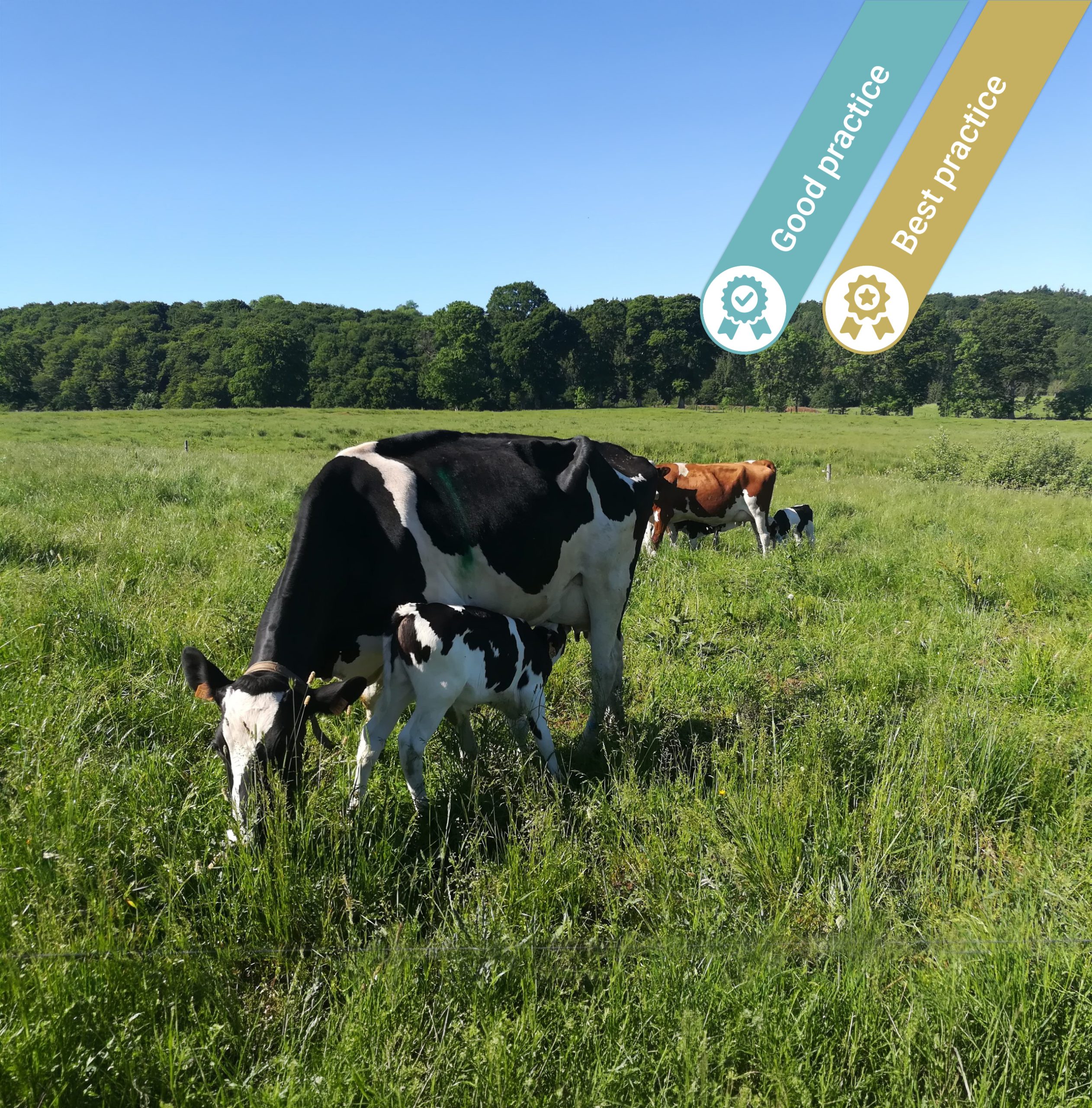
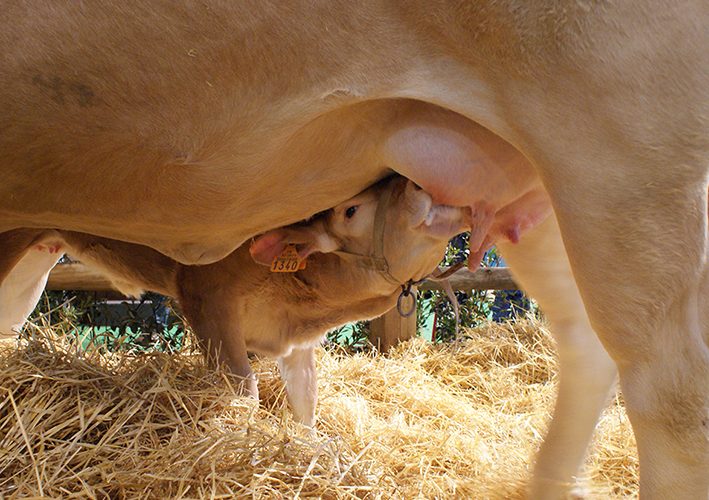
©INRAE / VEISSIER Isabelle


Success Stories
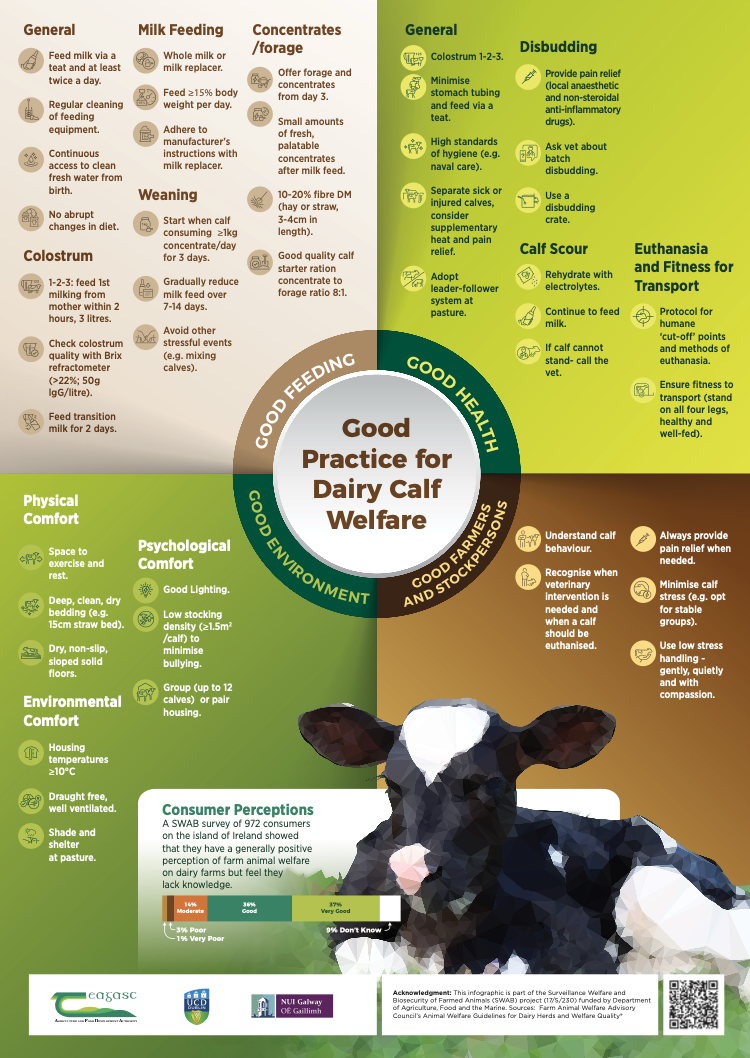
There are a number of initiatives currently being implemented in the EU and beyond, to encourage
adoption of welfare friendly practices on dairy farms. In this section we highlight examples where groups
have successfully collaborated to share resources on animal welfare topics with farmers. Farmers have
been involved in the design of many of these tools.
These resources combine a range of formats, all designed to encourage adoption of animal welfare
friendly practices on farm:
Resources
To further support the implementation of the Care4Dairy best practice guides, a number of additional resources have either been developed or existing relevant resources identified.
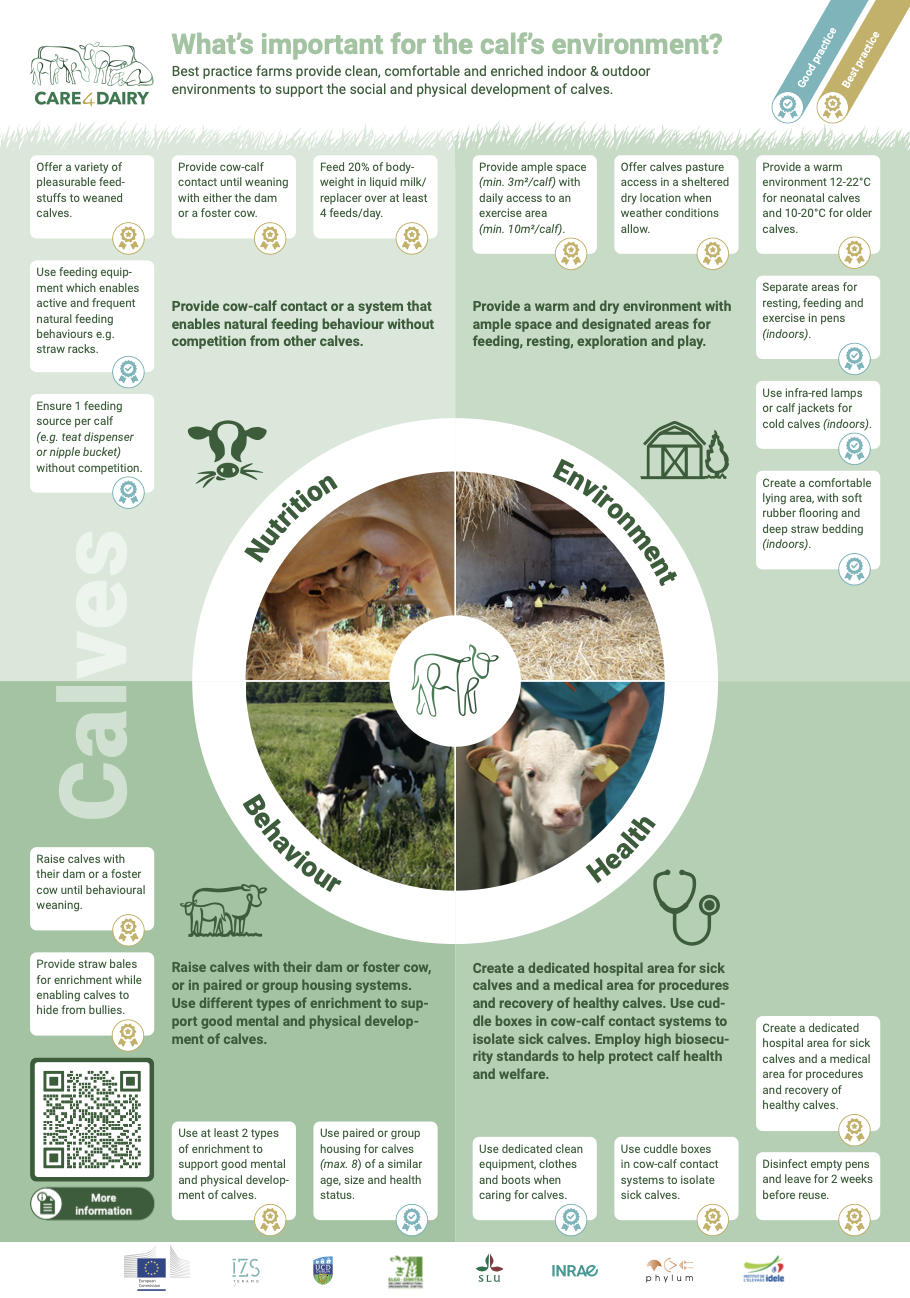
Best practice farms optimise the quality & performance of heifers by providing a clean, safe enriched environment to support animal health & welfare.
Video
Providing good and best practice environment
for calves from birth until 21 days of age
This video shows good and best practice environments for calves from birth until 21 days of age.
Podcast
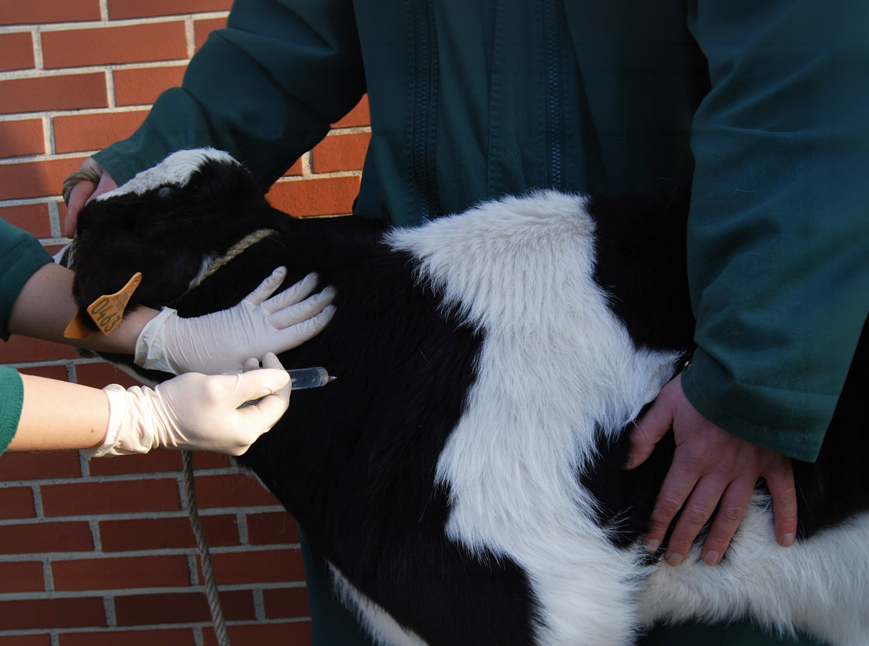
Management strategies to reduce the risks
from calf losses
Promoting a strong immune system of the calves and reducing disease challenge through health planning and biosecurity are key success factors for calf survival.
In this podcast we hear from Dr Catherine McAloon, European specialist in bovine health from UCD, Ireland and Dr Claire Littlejohn from the Care4Dairy consortium.